What Does It Really Mean When the RBI Says the Rupee Should Go Global?
The Reserve Bank of India (RBI) recently made a statement that caught a lot of attention —
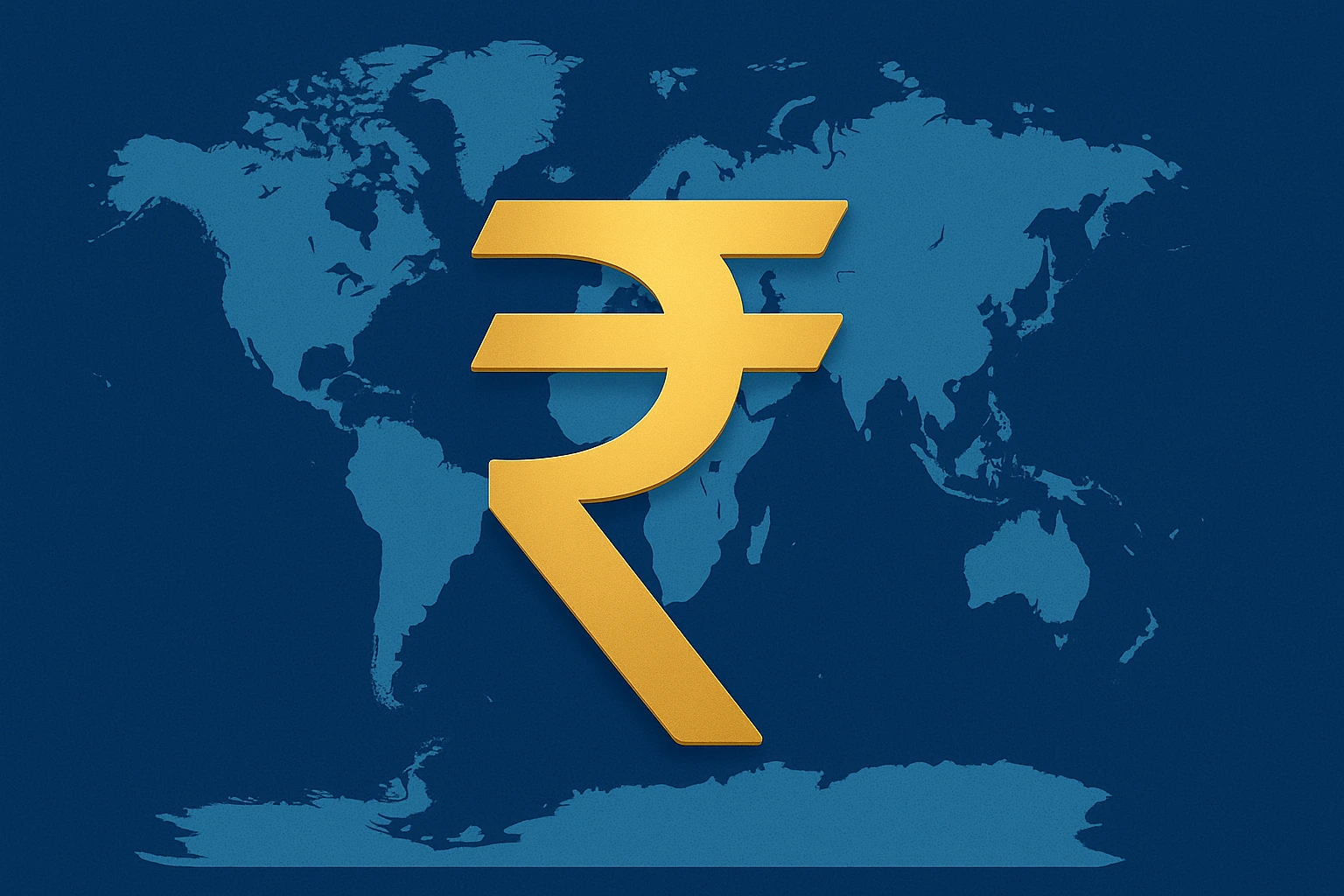
it wants the Indian rupee to become a global currency.
Sounds exciting, right? But what does that actually mean in real terms?
And how does it matter to the rest of us — the traveller, the small exporter, or even someone buying groceries at home?
Let’s decode it step by step.
1. What Does “Internationalising the Rupee” Actually Mean?
When economists talk about a currency becoming “international”,
they mean it’s used widely outside its home country — for trade, investments, and even central bank reserves.
The U.S. dollar is the world’s benchmark example. It’s the language of global business,
used everywhere from oil contracts to smartphone imports.
So, when the RBI says it wants the rupee to go global, it means India wants
other countries to be comfortable trading directly in rupees instead of routing every transaction through U.S. dollars.
For example, if India buys crude oil from the UAE, both countries could settle the bill in rupees — saving on conversion costs and exchange-rate swings.
According to an Economic Times report (October 2025), the RBI believes this move is key to India’s goal of
becoming a “developed economy” within the next decade.
2. Why Now?
India’s timing isn’t random. The country is among the world’s fastest-growing economies —
even the IMF recently called India a “key global growth engine.”
As India’s trade expands, it makes sense to start using its own currency more confidently abroad.
Here’s what RBI aims to achieve by doing this:
- Reduce dependence on the U.S. dollar — protecting India from global currency shocks.
- Save on foreign exchange costs — no need to convert rupees to dollars and back again for trade deals.
- Boost India’s financial status — when more countries use the rupee, it strengthens India’s voice in global finance.
But it’s not all easy. Other countries must trust India’s economy — that means stable inflation, credible policy,
and a predictable rupee value. Without that, they’ll hesitate to hold rupees as reserves or use it for trade.
As noted in Times of India, India’s recent reforms and steady growth make this ambition
more realistic now than ever before.
3. How Could This Affect Everyday Indians?
This idea might sound abstract — but it can touch your daily life in small, positive ways:
- Foreign travel: If the rupee is accepted more widely, you’ll get better exchange rates and lower forex charges.
- Imports and prices: More rupee-based trade can protect India from sudden dollar price spikes — helping keep inflation in check.
- Jobs and business: Indian exporters benefit from simpler, faster settlements. The stronger and more trusted the rupee, the easier it becomes to do business abroad.
In short — this isn’t just about fancy financial diplomacy.
It’s about creating a more stable economy where people and companies face fewer currency shocks and more predictable prices.
Also Read: How Vietnam Quietly Redefined Power in Asia
4. What Will the RBI Need to Do Next?
Turning the rupee into a global currency is a marathon, not a sprint. The RBI and the government will need to take several steady steps:
- Sign more bilateral trade deals that allow rupee settlements — like the ones already in place with Russia and the UAE.
- Keep inflation under control and maintain healthy foreign exchange reserves to build global trust.
- Gradually increase rupee convertibility — allowing foreign investors to buy and sell more freely, without causing instability.
Economists often warn: moving too fast can backfire.
A sudden rush toward full convertibility could trigger speculation or volatility — and that’s the last thing India wants.
The smart way forward is slow, steady, and credible.
5. The Bottom Line
When RBI says it wants the rupee to go global, it’s not about prestige — it’s about power, stability, and independence.
If more countries trade and hold rupees, India can reduce its dependence on the U.S. dollar and shield itself from external shocks.
This transformation won’t happen overnight. But step by step — through trade, diplomacy, and credibility —
India is laying the groundwork for a stronger, more independent financial future.
The next time you read a headline about “Rupee Internationalisation,” you’ll know it’s not just an economic buzzword.
It’s a sign that India is ready to claim a larger role in how the world does business.